 Research
Safe Events Start With Threat Intel & Digital Security
Planning ahead to defend against cyber threats is the work that keeps events uneventful.
 FEATURED
Security researchers have discovered a critical zero-day vulnerability affecting all modern versions of Windows, allowing attackers to gain SYSTEM privileges.
Read Full Story
Research
Planning ahead to defend against cyber threats is the work that keeps events uneventful.
 Vulnerabilities
Several versions of firmware released by Chinese network device manufacturer Tenda have been found to embed an undocumented authentication backdoor that enables administrative access to the devices' web management interfaces, the CERT Coordination Center (CERT/CC) warned Monday. "An attacker can exploit this vulnerability, tracked as CVE-2026-11405, to bypass the password verification process
 Data Breaches
Lawmakers in both houses of Congress are demanding answers from the U.S. Cybersecurity & Infrastructure Security Agency (CISA) after KrebsOnSecurity reported this week that a CISA contractor intentionally published AWS GovCloud keys and a vast trove of other agency secrets on a public GitHub account. The inquiry comes as CISA is still struggling to contain the breach and invalidate the leaked credentials.
 Vulnerabilities
The Zimbra security team urged customers to patch a critical vulnerability affecting the Classic Web Client used to access the Zimbra Collaboration suite. [...]
 Threats
A Chinese threat actor tracked as UAT-7810 is actively refining its bespoke malware to expand its Operational Relay Box (ORB) network by breaking into internet-facing networking devices. According to findings from Cisco Talos, UAT-7810 is an advanced persistent threat (APT) actor that's responsible for maintaining and proliferating LapDogs, an ORB network that first came to light in June 2025.
 Malware
Rising threats from third-party actors are forcing institutions to play defense to protect student data from ransomware and other attacks.
 Data Breaches
The flaw allows an unauthenticated attacker to craft a GitHub Issue in an org's public repository and then silently pull data from its private repos, too.
 Research
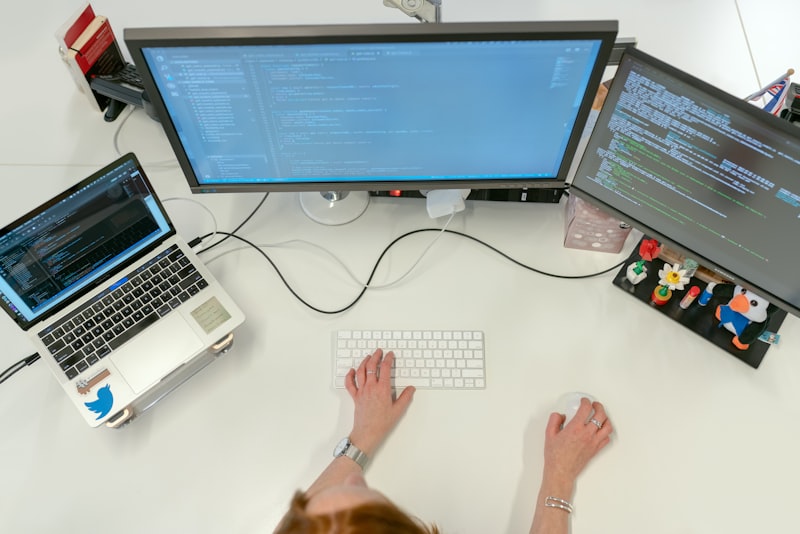
Sophos looked at a week of its own endpoint data and found that AI coding agents such as Claude Code, Cursor, and OpenAI Codex are setting off detection rules written to catch human intruders. The agents are not malicious. They just do a lot of things that, to a behavioral engine, look exactly like an attack. Decrypting browser credentials, listing what sits in Windows' credential store,
 Malware
A streaming box should not need a threat model. Neither should a username field, a demo repo, a reset flow, or a browser permission prompt. That is the irritating part this week: the risky pieces were ordinary. Home devices became a routing cover. Clean code pulled dirt from a dependency. Identity shortcuts aged badly. AI systems trusted the wrong instructions. Same soft spot throughout: trust
 Research
If you're handling AI agents like a service account or API token, consider yourself behind. AI agents need a fundamentally different approach.